Blog

Long-Term Casing Integrity vs. Conventional Cementing

A well maintains both internal and external pressure integrity primarily through the casing string. For common casing sizes such as 146 mm, 168 mm, and 178 mm, the steel is typically pressure-tested to 10–14 MPa, confirming its role as the primary pressure-containing barrier. Cement, while important, is not designed to serve as the main barrier
2026-04-20T16:24:33+00:00April 20th, 2026|Blog|

Preserving Cement Integrity in Thermal Wells with Advanced Milling Solutions

Maintaining cement integrity in thermal wells is a critical challenge for operators working in high-temperature environments. Our approach addresses this issue directly by enabling access to target depth without the use of impact or oscillation tools, which can compromise cement integrity and wellbore stability. By eliminating these mechanical stresses, operators can reduce the risk

2026-04-20T16:52:29+00:00March 28th, 2026|Blog|

A Moment in the Field: Proven Casing Patch Performance

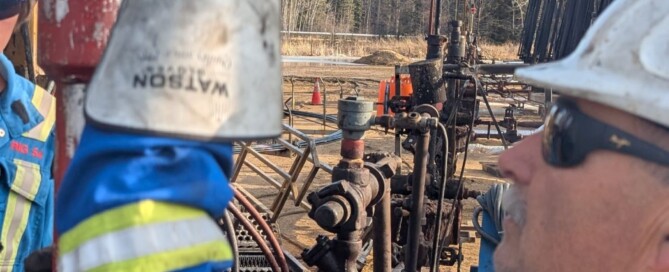
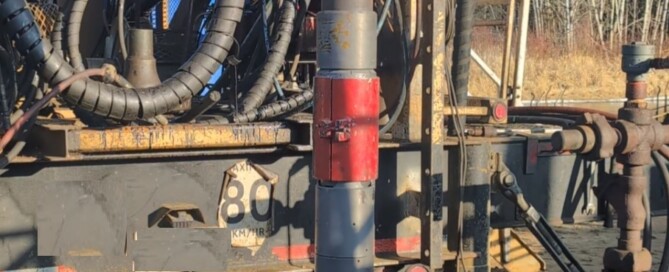
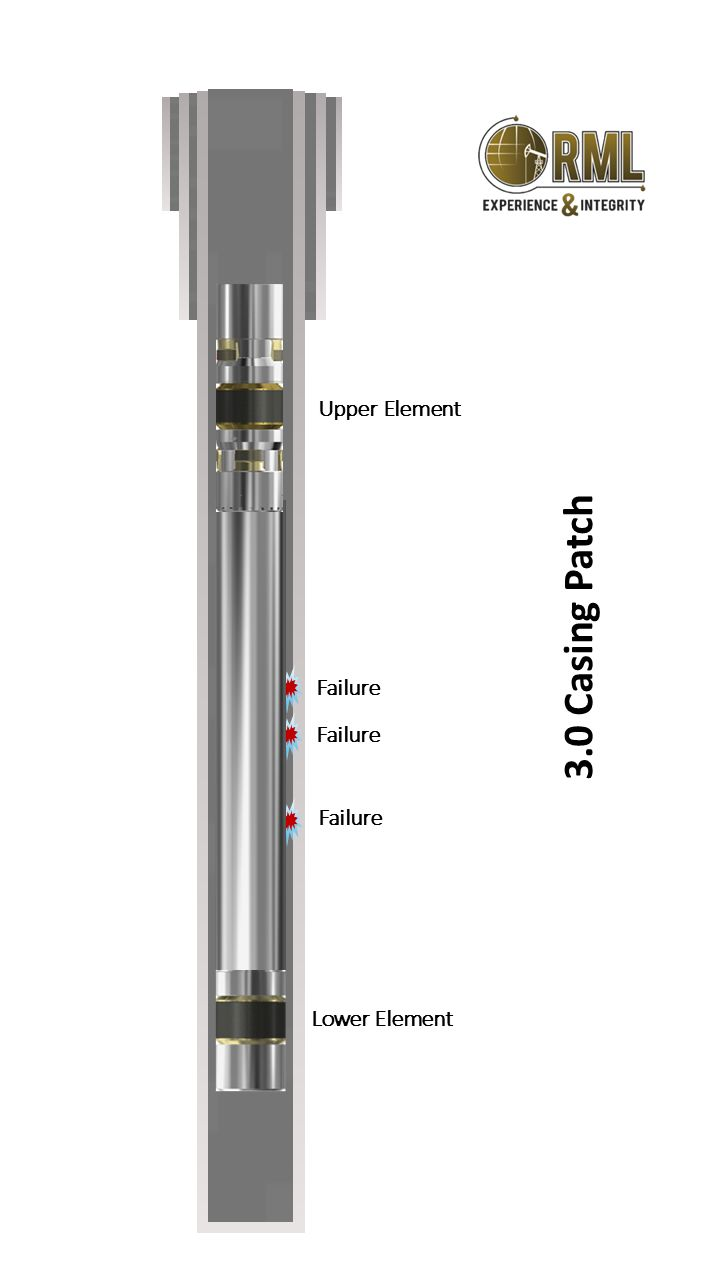
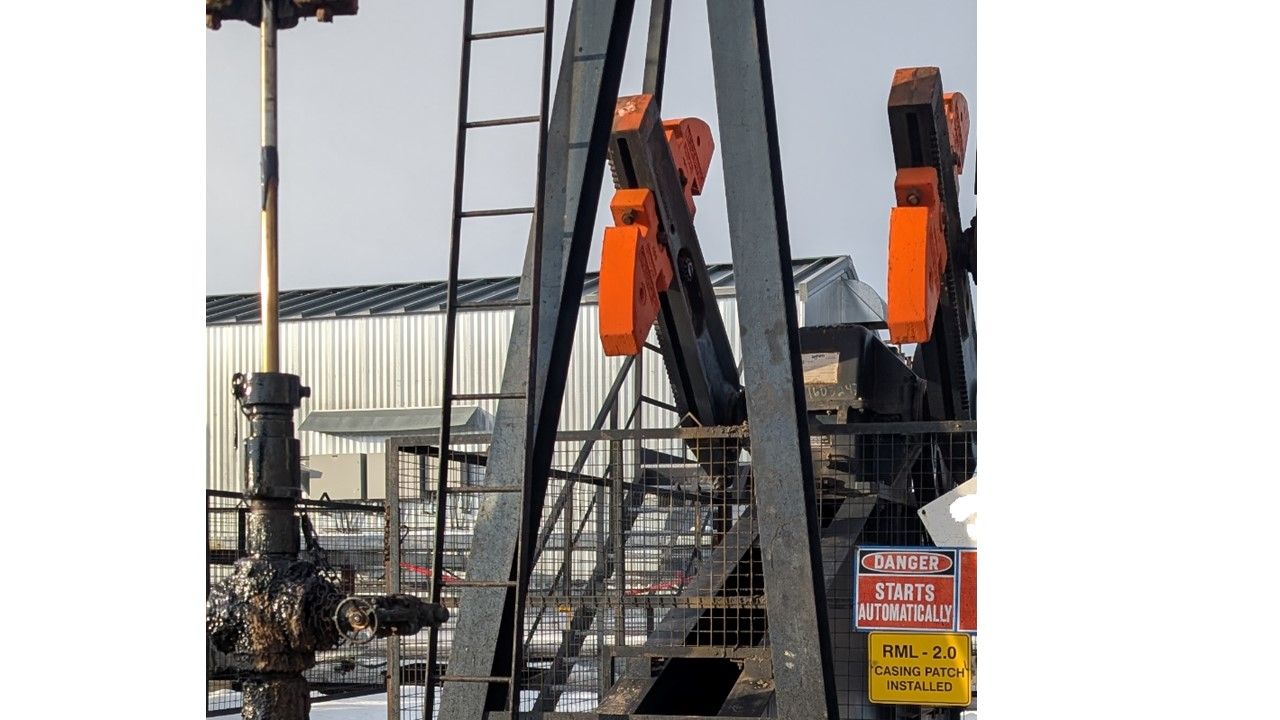
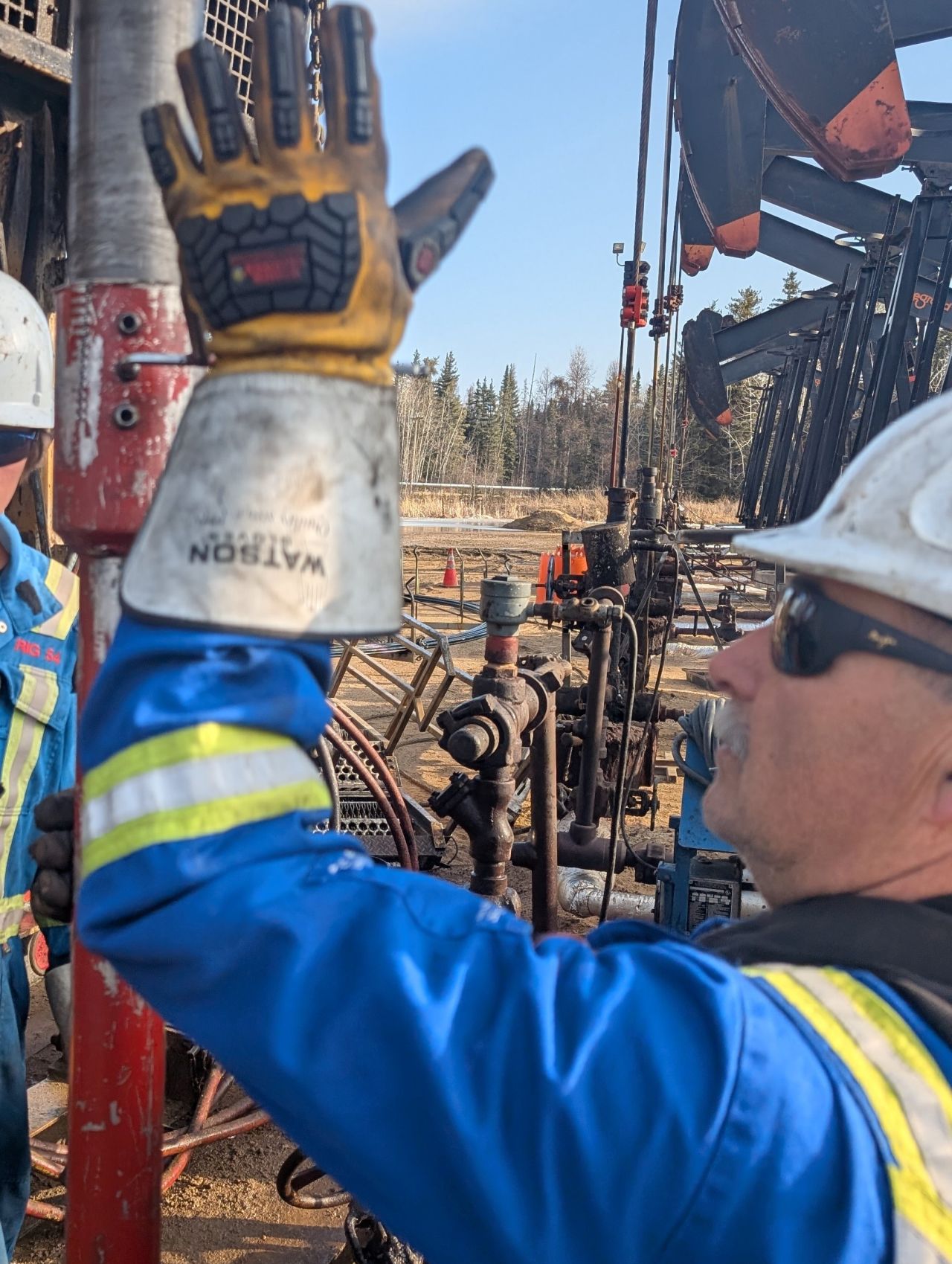
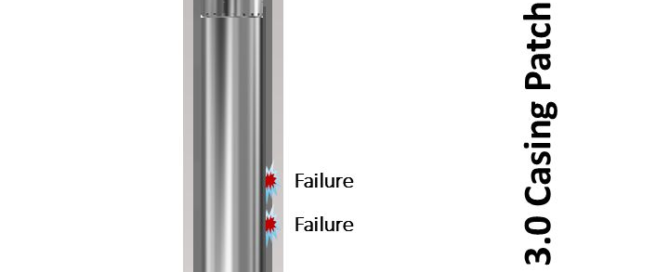
Recently, we arrived at a field location to deploy a Casing Patch. At first, it seemed like a routine job. Then I noticed a sign on a neighboring well:“RML-2.0 Casing Patch Installed.” The well was running. Producing oil. And in that moment, I felt proud. We had installed that patch about six months ago. Now

2026-04-20T16:51:50+00:00March 22nd, 2026|Blog|

Restoring Production with Precision: Overcoming a Unique Casing Patch Challenge

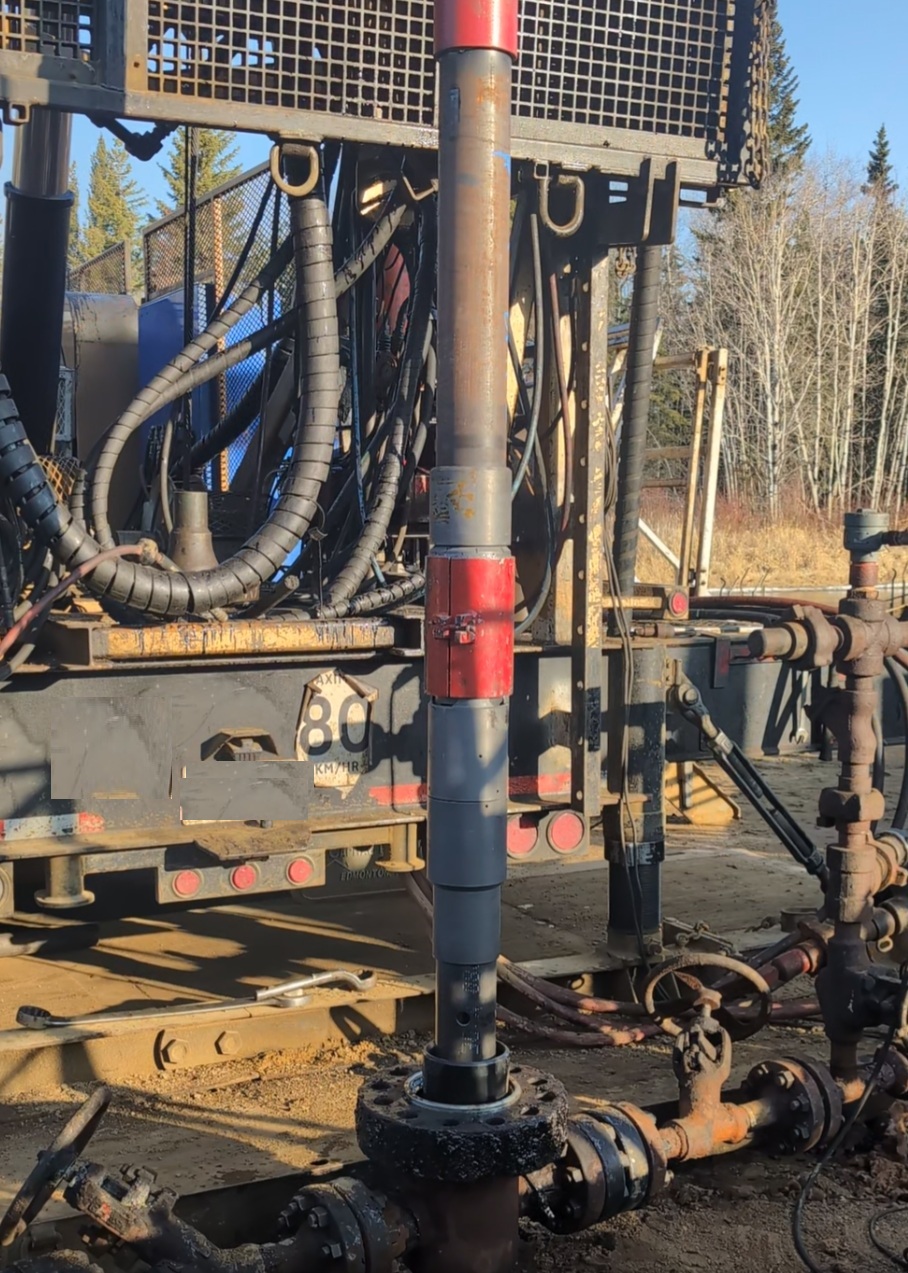
RML continues to play a key role in restoring oil-producing wells using our proven Surface Casing Patch technology. Every well completed to date has been successfully brought back online and is producing—reinforcing the reliability of our approach and the expertise of our team. Recently, one project presented a new and complex challenge. Due to the

2026-03-04T21:39:45+00:00February 21st, 2026|Blog|

Artificial Lift Intake Isolation (ALII): Protecting Your Reservoir and Your Budget

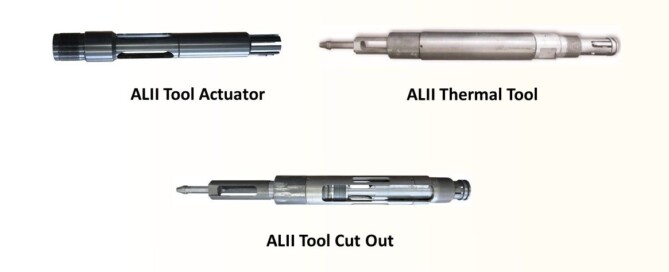
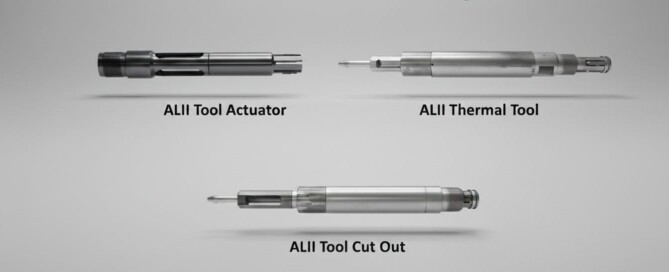
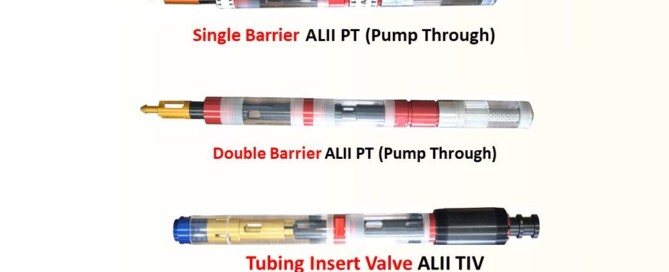
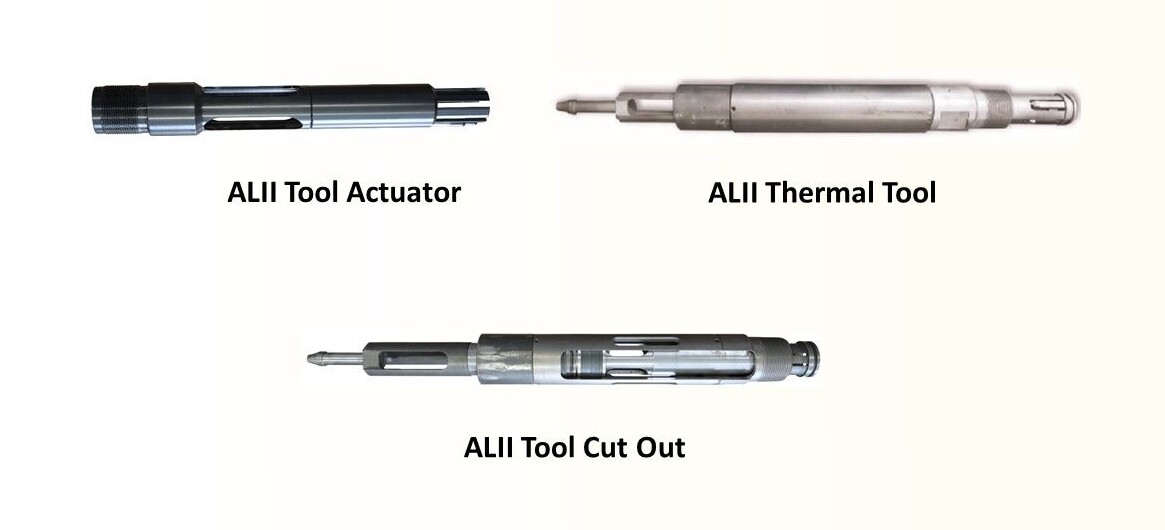
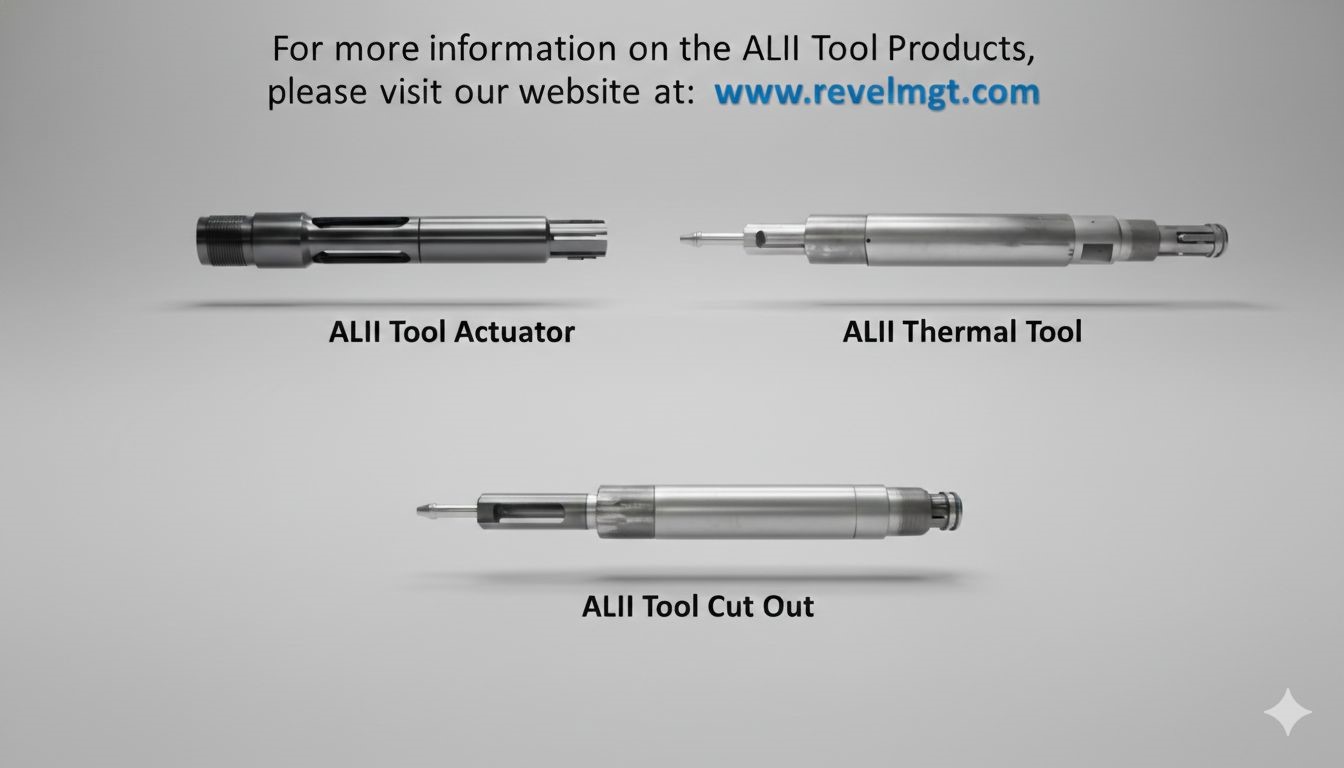
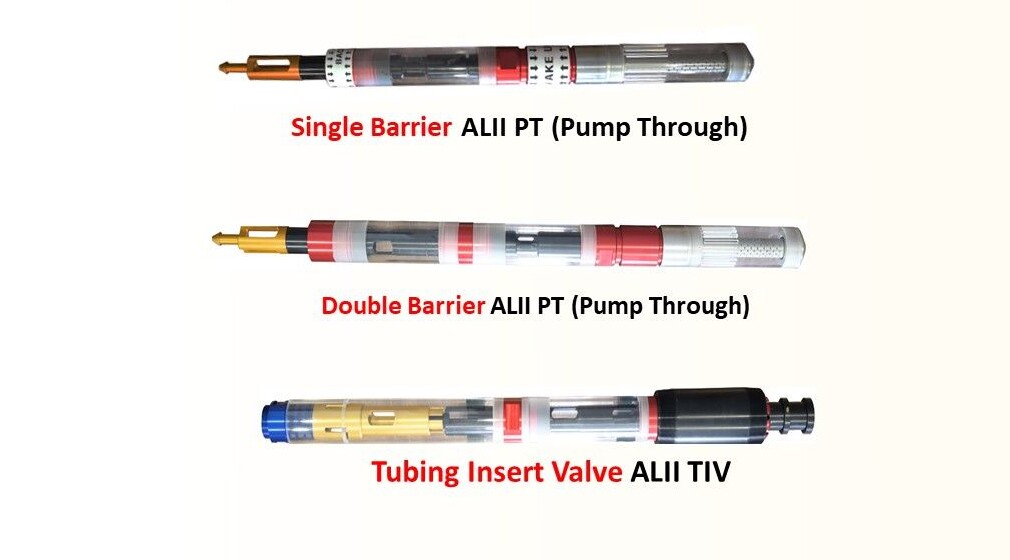
Standard pump maintenance shouldn’t mean compromising your formation’s productivity. Traditional well-killing methods often lead to skin damage, costly fluid management, and extended recovery times. The ALII (Artificial Lift Intake Isolation) tool provides a reliable downhole barrier that streamlines operations and protects the asset. Operational Benefits of ALII: ✅ Pressure Isolation & Zero-Kill Operations: Acting as

2026-03-03T16:23:18+00:00February 10th, 2026|Blog|

Overcoming Corrosion and Extreme Weather: A Challenging Surface Casing Patch Installation

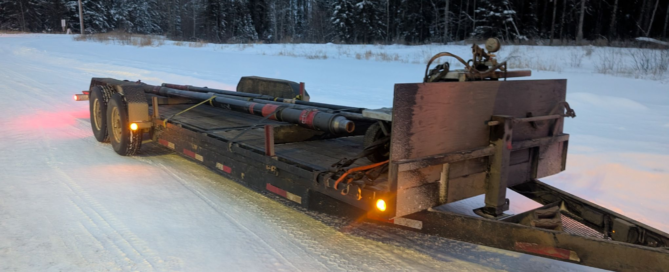
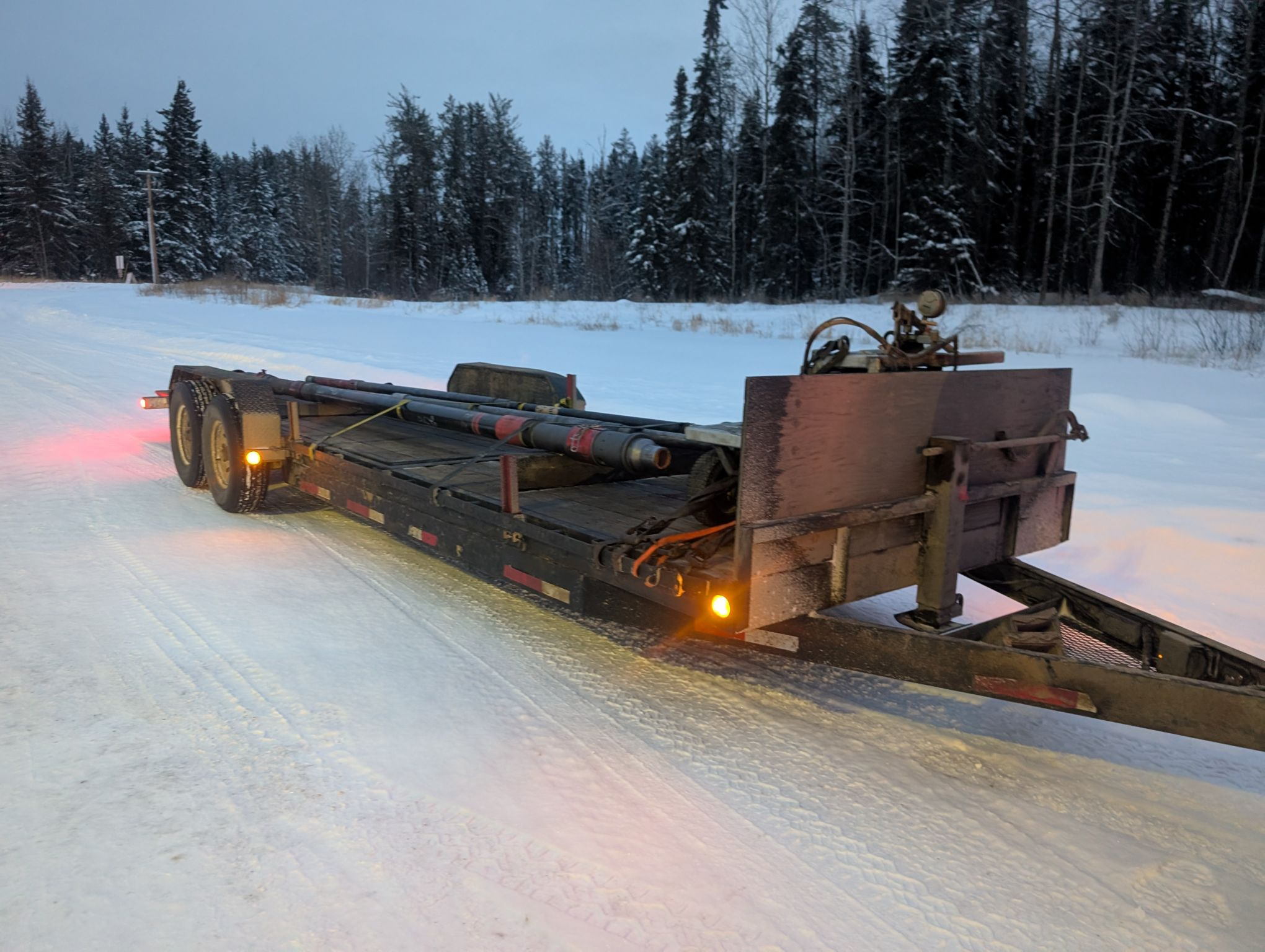
Last week’s operation presented a genuine reason for concern—and not only because a blizzard swept through the field. Severe cold is something our crews are well prepared to manage, with established procedures to protect personnel and maintain safe operations. The real challenge came from the well itself. A Difficult Well in Advanced Stages of Aging

2026-02-24T16:59:46+00:00January 15th, 2026|Blog|

ALII Tool | Zero-Kill Rod Pump Changeouts and Well Control

ALII Tool — Smart Well Control Technology The ALII Tool is a shut-off valve system that allows Operators to close the wellbore during rod pump replacement—eliminating the need for a full well kill. ✔ No well kill required✔ Increased operational safety✔ Reduced downtime✔ Significant OPEX savings Safer operations. Lower costs. Smarter well management.

2026-02-24T17:01:45+00:00January 8th, 2026|Blog|

Looking Ahead with Confidence: Field Performance and Evolution of the ALII Tool

As the end of 2025 approaches, it is a natural time to reflect on lessons learned, assess performance, and move forward with confidence. One area where this reflection is especially valuable is in the continued deployment and evolution of our ALII Tool. The ALII Tool is a tubing isolation valve designed to provide positive well

2026-01-08T16:55:02+00:00January 8th, 2026|Blog|

Restoring Casing Integrity: How Our Casing Patch System Works and Why It Matters

I did not expect that a discussion about restoring production casing integrity would generate such strong interest. Following a recent LinkedIn post, I received numerous questions about how we install the Casing Patch and Surface Casing Patch (SCP), how our system differs from competing solutions, and what practical field experience supports our claims. To address

2026-01-26T22:39:00+00:00January 7th, 2026|Blog|
Go to Top