ADVANCED MILLING-OUT TECHNOLOGY for HORIZONTAL LINERS with INTECHNO
Advanced Milling-Out Technology (AMT) for Sensitive Thermal Well Conditions
Milling-out auxiliary equipment in horizontal liners and restoring full-bore access in oil and gas wells for subsequent refracturing, acid stimulation, reperforation, recompletions, and other well intervention operations.
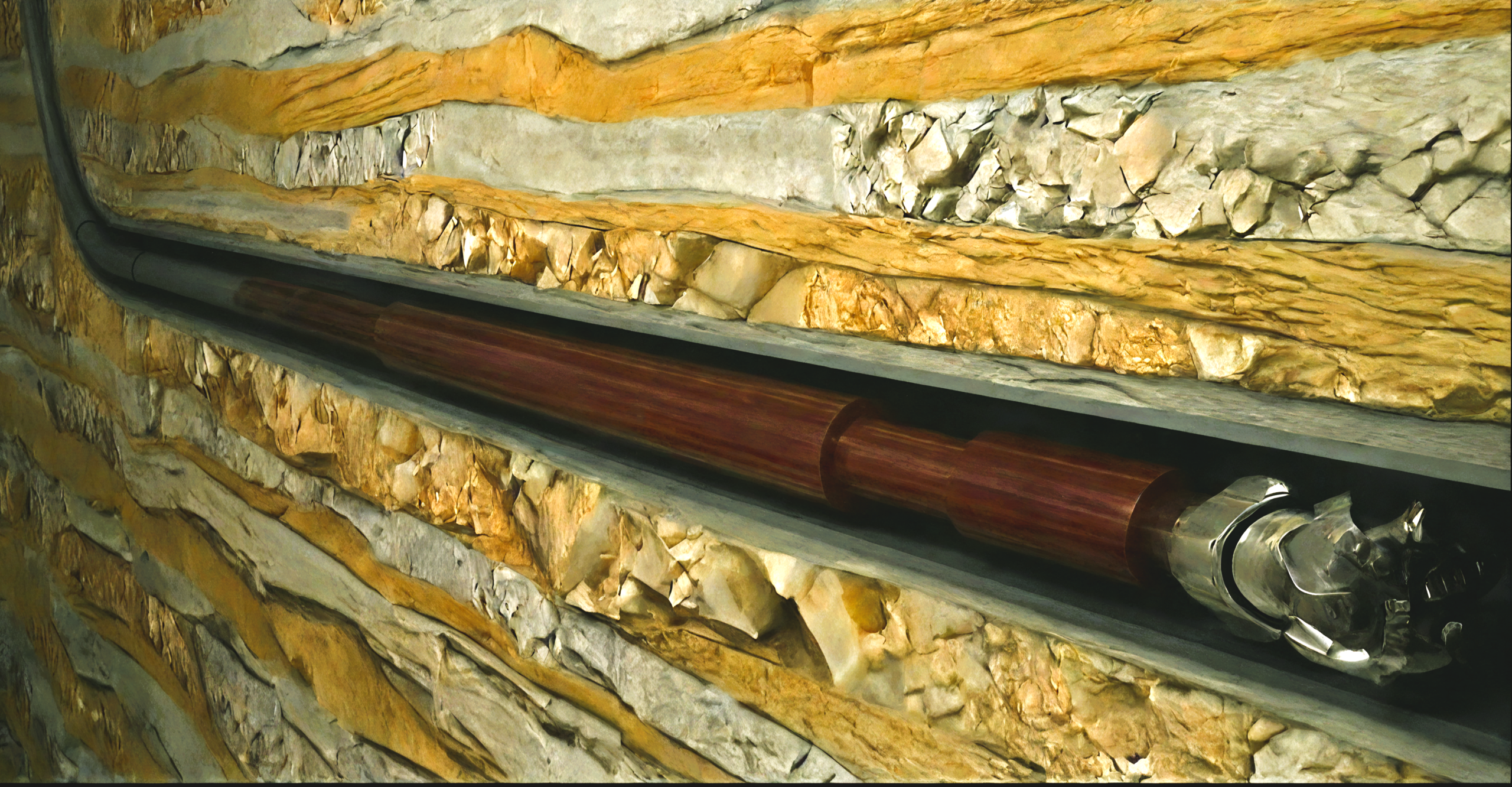
Let us consider the following situation:
A well has an extended horizontal liner. The well is exposed to high temperature and hydrogen sulfide. The casing, cement sheath, casing-cement contact, and cement-formation contact may be under stress. Over time, the cement become more brittle, including as a result of exposure to aggressive downhole conditions.
What happens to the cement behind the liner? What happens to the casing-cement contact? Could the cement crumble? Will the integrity of the cement sheath be preserved after such operations? These are real risks for the casing, the cement sheath, and the integrity of the well. Advanced Milling-Out Technology specifically developed to reduce these risks by minimizing mechanical impact on the casing and cement sheath through the elimination of agitators, oscillators, jars, and other impulse tools from the milling assembly.
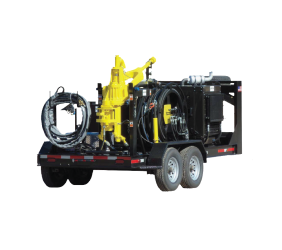
The principle of the technology is as follows: a special mill or milling assembly, a high-flow positive displacement motor, smooth drill pipes with internally upset tool joints, and additional rotation from the surface using a Logan VTS-100 Power Swivel.
Depending on the Customer’s objectives, the assembly may include tools for reaming the milling/drilling interval, stabilizers, magnets, metal debris catchers, cleanout filters, bypass valves, and other components.
The Technology Benefits
Restoring Full-Bore Access in Complex Well
Restoring full-bore access in horizontal liners is essential for subsequent operations such as refracturing, acid stimulation, reperforation, recompletions, and interventions requiring unobstructed passage of packers and other downhole tools.
The technology is designed for complex well conditions where conventional coiled tubing milling with impulse tools may create additional risks for casing, cement sheath, and overall well integrity.