
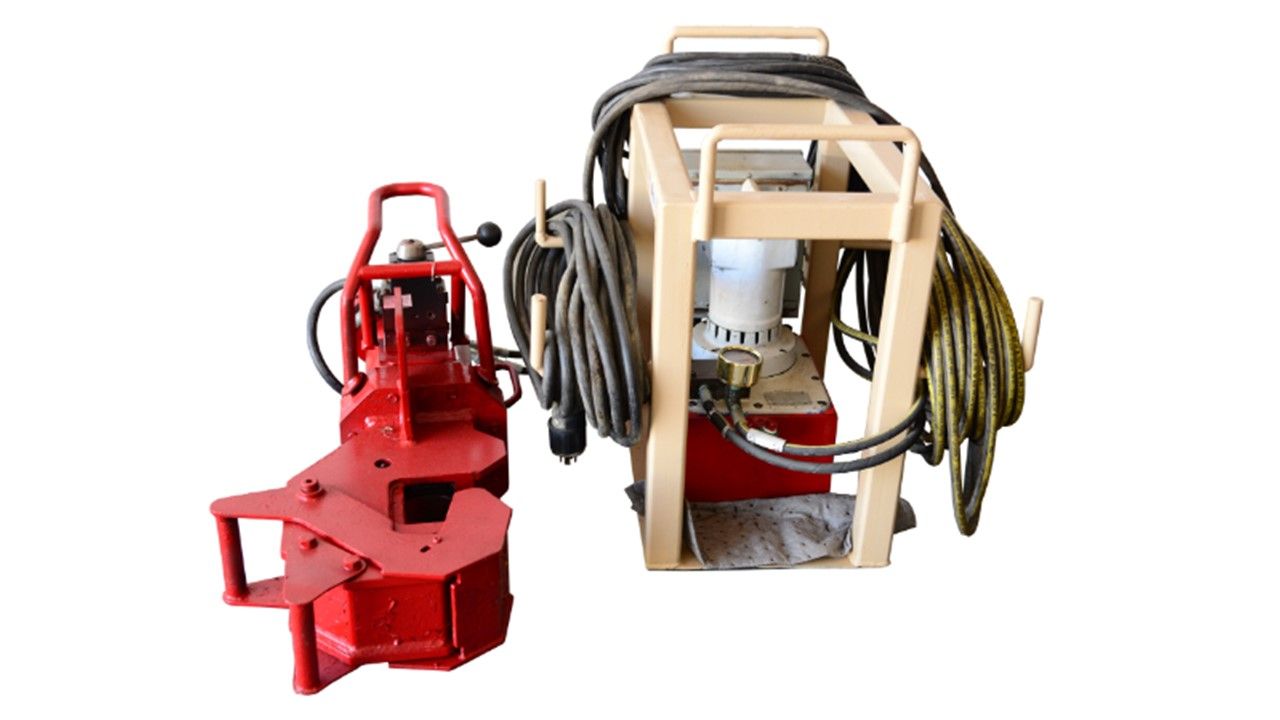
In heavy oil operations, workovers often present complex challenges. One of the most difficult situations occurs when rod strings become stuck and must be cut to allow retrieval. This process can be time-consuming and, when performed using conventional methods, may introduce additional safety risks for field crews.
This is where our solution comes in.
Addressing a Common Workover Challenge
During previous operations with a major global operator, the RML Rod Shear was deployed to assist with rod cutting during workovers. The feedback was clear: the tool performed reliably, improved safety for crews, and effectively cut rod strings under demanding conditions.
However, one recurring comment stood out:
“It would be great if the rods could be cut even faster.”
We took that feedback seriously.
Continuous Improvement Driven by Field Feedback
Based on operator input, we focused on enhancing the performance of the RML Rod Shear. The goal was straightforward—increase cutting speed while maintaining the same level of safety, reliability, and operational simplicity.
Recently, the improved tool was tested again in collaboration with another major operator. The results confirmed that the updated RML Rod Shear now delivers noticeably faster rod cutting, without compromising performance or safety.
A Safer and More Efficient Approach
The improved RML Rod Shear provides operators with a practical solution for one of the most challenging aspects of workover operations. Key advantages include:
-
Faster rod cutting, reducing overall workover time
-
Improved operational safety for field crews
-
Reliable performance in demanding heavy oil environments
-
Simple and effective deployment in the field
By reducing time and complexity during rod cutting operations, the tool helps operators improve efficiency while maintaining safe working conditions.
Supporting Your Workover Operations
If your operations encounter challenges with stuck rod strings and rod cutting during workovers, the RML Rod Shear offers a safer and more efficient alternative to conventional methods.
We welcome the opportunity to discuss how this solution can support your field requirements.